Greens Seamless Patterns JPG for Creative Projects
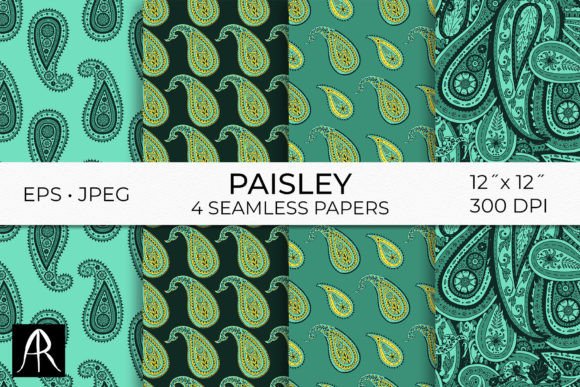
There is a specific kind of magic that happens when you take a single image and repeat it until the edges disappear completely. That is the power of Greens Seamless Patterns JPG. It transforms simple digital drawings of greenery into an endless canvas, ready to be draped over fabric, printed on packaging, or layered into a complex web design. This collection isn't just about pretty leaves; it is about providing a foundational texture that supports your creative vision without overwhelming it.
When you open this set of eight high-resolution files, you aren't looking at static images. You are looking at a toolkit. Each file represents 10 x 10 inches of pure potential, rendered at a crisp 500 dpi resolution. This level of detail ensures that whether you are printing a massive banner for a trade show or a small tag for a boutique clothing line, the botanical lines remain sharp and distinct. The "seamless" nature of these patterns means you can tile them infinitely in any direction, creating a cohesive background that feels organic rather than repetitive.
Why High Resolution Matters for Digital Art
In the world of digital creation, resolution is often the difference between a project that looks professional and one that looks amateurish. With a resolution of 500 dpi, Greens Seamless Patterns JPG offers significantly more data than standard screen graphics, which usually sit at 72 dpi. This density allows for extreme flexibility in how you use the assets.
- Print Precision: When you scale up a low-resolution image for print, pixels become visible as jagged blocks. At 500 dpi, your greenery retains its delicate curves and fine details even when enlarged to poster size.
- Fabric Application: Textile printing requires high fidelity to capture the texture of the weave alongside the ink. These patterns provide the clarity needed to ensure the botanical designs don't blur or lose definition during the printing process.
- Editing Freedom: High-resolution files allow you to crop, rotate, and manipulate sections of the pattern without losing quality. You can isolate a single leaf cluster to use as a standalone icon or expand the whole design to cover a full page.
This technical robustness frees you from worrying about pixelation. Instead, you can focus entirely on composition and color theory, knowing that the source material will hold up under scrutiny.
Practical Applications Across Industries
The versatility of these seamless patterns makes them relevant across a wide spectrum of industries. Whether you are a small business owner launching a new product line or a blogger looking to refresh your website aesthetic, there is a place for these greens.
Textile and Fashion Design
For designers working with fabric, the 10 x 10 inch tile size is ideal for testing repeats. You can visualize how the pattern flows across a garment, ensuring that seams align perfectly. Imagine a linen dress with a subtle, repeating fern motif or a scarf featuring a dense arrangement of ivy. The high resolution ensures that the colors remain vibrant after washing and wearing, maintaining the integrity of the original digital drawing.
Packaging and Branding
Consumers today appreciate natural aesthetics. Using Greens Seamless Patterns JPG for product packaging can instantly communicate eco-friendliness, freshness, or organic origins. A coffee brand might use a pattern of coffee leaves on their bags, while a skincare company could use floral vines on their soap wrappers. The seamless nature allows the pattern to wrap around corners and boxes seamlessly, creating a premium unboxing experience.
Digital Content and Web Design
Beyond physical goods, these patterns serve as excellent backgrounds for digital media. Bloggers can use them as header images, email newsletter backgrounds, or social media story templates. Because they are JPGs, they load quickly while still offering visual depth. You can overlay text on top of the greenery, using the negative space within the pattern to make headlines pop. The result is a clean, organized look that guides the viewer's eye without causing visual fatigue.
Creative Strategies for Unique Results
While the patterns come ready to use, the most compelling projects often involve a bit of adaptation. Here are several ways to approach these designs to create something truly unique.
- Color Manipulation: Don't feel limited to the original green tones. Use photo editing software to shift the hue. Turn the lush greens into deep forest emeralds for a moody atmosphere, or desaturate them into soft sage and mint for a calming, minimalist vibe. You can even convert the entire pattern to black and white for a sophisticated, graphic look.
- Layering Techniques: Combine multiple patterns from the set. If one pattern features large leaves and another has smaller sprigs, layer them at different opacities to create depth. This technique mimics the complexity of a real garden, adding a sense of movement to a flat surface.
- Mixed Media Integration: Scan your own hand-drawn elements or textures and blend them with the digital greens. This adds a human touch that purely digital art sometimes lacks. The high resolution of the base pattern ensures it integrates smoothly with your custom additions.
- Typography Pairing: Let the pattern do the heavy lifting by choosing fonts that complement the organic shapes. Script fonts work well with flowing vines, while bold sans-serif fonts contrast beautifully with structured leaf arrangements. Always ensure the text remains legible against the busy background.
Maintaining Consistency and Quality
As you integrate these patterns into your workflow, consistency is key. Whether you are producing a series of products or a long-term branding campaign, maintaining the same visual language builds recognition. Start by defining your color palette early. Stick to three or four primary colors derived from the pattern to avoid a chaotic look.
Organize your files logically before you begin. Since you have eight distinct JPG files, label them clearly based on their density or style (e.g., "Dense_Fern," "Sparse_Vine"). This prevents confusion later when you need to retrieve a specific asset for a last-minute revision. Keep your working files in layers if possible, so you can adjust the pattern scaling or opacity without altering the original source.
Remember that less is often more. Sometimes, a subtle application of the pattern works better than covering every inch of your design. Use the patterns as accents—on the back of a card, the lining of a bag, or the footer of a webpage—to add interest without clutter. This restraint shows a mature understanding of design principles and respects the viewer's attention.
Empowering Your Creative Process
The ultimate goal of tools like Greens Seamless Patterns JPG is to remove barriers to entry. They allow you to experiment with styles you might not have the time or skill to draw from scratch. By providing a professional-grade foundation, they let you focus on the bigger picture: storytelling through design.
Whether you are creating a mood board for a client, designing a new collection for your shop, or simply exploring your own artistic side, these patterns offer a reliable starting point. They bridge the gap between concept and execution, turning abstract ideas into tangible, beautiful realities. Embrace the versatility of the greens, play with the scales, and let the organic forms inspire your next great project.