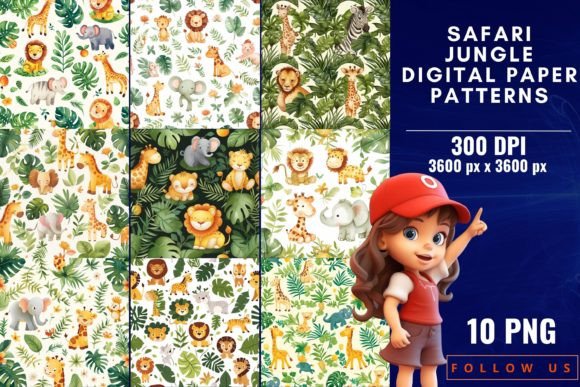
Safari Jungle Digital Paper Patterns: A Comprehensive Evaluation
Digital paper patterns serve as the foundational elements for countless creative projects, ranging from scrapbooking layouts to web design backgrounds. Among the various thematic collections available, Safari Jungle Digital Paper Patterns offers a distinct visual narrative centered on the biodiversity and untamed spirit of the wild. This collection, often associated with themes like Wilderness Treasures, provides designers with assets that capture the vibrant colors and intricate details of a jungle environment. For creators seeking to incorporate an adventurous aesthetic into their work, understanding the specific characteristics, applications, and limitations of these patterns is essential before making a selection.
Understanding the Collection
The Safari Jungle Digital Paper Patterns typically consist of a set of high-resolution digital files designed to mimic natural textures and motifs found in African savannas and dense jungles. While specific counts may vary by provider, a standard collection often includes approximately ten unique designs. These designs frequently feature:
- Motifs: Stylized representations of wildlife such as zebras, giraffes, lions, and elephants, alongside botanical elements like palm fronds, acacia trees, and exotic flowers.
- Color Palettes: A spectrum ranging from earthy ochres and deep greens to vibrant sunset oranges and sky blues, reflecting the diverse lighting conditions of the safari landscape.
- Resolution: High-definition visuals intended to ensure clarity when printed or displayed on high-resolution screens.
The primary function of these files is to provide a ready-made background or texture that eliminates the need for manual illustration. They are distributed in common digital formats suitable for immediate use in graphic design software, word processors, or photo editing tools.
Primary Use Cases and Benefits
Creators choose this specific thematic collection for several practical reasons. The most significant benefit is the ability to quickly establish a cohesive theme without extensive artistic effort. When a project requires a "wild" or "adventurous" tone, these patterns offer an instant solution.
Scrapbooking and Print Media
In physical crafting, particularly scrapbooking, these patterns are highly valued. They allow users to create borders, backgrounds, and journaling cards that tell a story of travel or nature. The high resolution ensures that prints remain crisp even at larger sizes, which is critical for photo albums and greeting cards. The variety within the collection—often including both busy animal prints and subtle foliage textures—allows for layering different patterns to create depth and visual interest.
Digital Design and Web Content
For digital artists and web developers, Safari Jungle Digital Paper Patterns serve as versatile assets. They can be used as background images for blog posts about travel, children's educational materials focusing on animals, or user interface elements for gaming apps with an adventure theme. The seamless tiling capability of many patterns allows them to fill large screen areas without visible breaks.
Educational and Commercial Applications
Educators often utilize these resources to create engaging worksheets, classroom decorations, or presentation slides. The imagery helps in capturing the attention of younger audiences interested in biology and geography. Similarly, small business owners creating marketing materials for eco-tourism or wildlife conservation might find these patterns effective for conveying their brand message visually.
Considerations and Potential Tradeoffs
While the collection offers numerous advantages, potential users should evaluate certain factors to ensure the assets meet their specific needs.
Licensing and Usage Rights
A critical consideration is the licensing agreement attached to the digital files. Many providers offer a distinction between personal and commercial use. If a creator intends to sell products made with these patterns (such as printed journals or merchandise), they must verify that their purchase includes a commercial license. Failure to do so can lead to legal complications. Always review the terms regarding redistribution; some licenses prohibit sharing the raw files with others.
Design Saturation and Originality
Because safari themes are popular, there is a risk of the patterns appearing generic or overused. In professional design contexts, using widely available stock patterns without modification can result in a lack of uniqueness. To mitigate this, designers often combine these patterns with custom typography, hand-drawn elements, or other textures to create a more original composition.
Technical Compatibility
Users should ensure their software supports the file format provided. While most modern design tools handle standard formats like JPG or PNG well, vector-based patterns (SVG) offer better scalability but may require specific software features. Additionally, the file size of high-resolution bundles can be substantial, requiring adequate storage space and processing power for smooth editing.
When to Choose Alternatives
Despite their utility, Safari Jungle Digital Paper Patterns may not be the optimal choice for every scenario. Consider alternative approaches if:
- Minimalist Aesthetics are Required: If the project demands a clean, uncluttered look, the detailed animal and foliage motifs in this collection might be too visually busy. Solid color papers or simple geometric patterns would be more appropriate.
- Strict Brand Consistency is Needed: Corporate branding guidelines often restrict the use of illustrative clip art or themed stock patterns. In such cases, custom illustrations that align strictly with brand identity are necessary.
- Specific Cultural Accuracy is Critical: If the project requires a scientifically accurate depiction of a specific ecosystem rather than a stylized "safari" vibe, stock patterns may fall short due to their generalized nature.
Decision-Making Insights
To determine if this collection aligns with your goals, assess the following criteria:
- Project Theme: Does the subject matter genuinely benefit from a jungle or safari motif? If the content is unrelated, the patterns may feel forced.
- Target Audience: Is the audience likely to respond positively to playful or adventurous imagery? Children and nature enthusiasts generally appreciate these themes more than corporate professionals.
- Workflow Efficiency: Do you need to produce a project quickly? If time is limited, pre-made patterns offer a significant efficiency boost compared to creating textures from scratch.
- Quality Requirements: Review sample previews to ensure the resolution and color fidelity meet your output standards. Blurry or pixelated patterns will detract from the final product.
Conclusion
The Safari Jungle Digital Paper Patterns collection represents a valuable resource for creatives looking to infuse their projects with the energy and beauty of the wild. By offering a curated set of high-resolution designs, it simplifies the process of adding thematic depth to both digital and physical media. However, successful integration requires careful attention to licensing terms, design cohesion, and the specific aesthetic goals of the project. When selected thoughtfully, these patterns can transform ordinary layouts into immersive visual experiences that celebrate the untamed spirit of the jungle.