Maple Leaves Patterns: A Comprehensive Evaluation for Designers
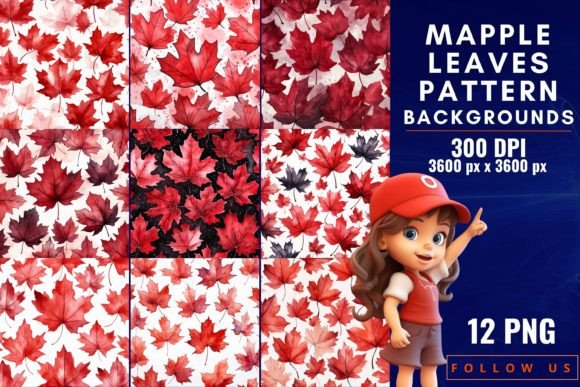
In the realm of digital design and seasonal aesthetics, Maple Leaves Patterns have established themselves as a staple resource for creators looking to capture the essence of autumn. This collection represents more than just simple background graphics; it is a curated set of 12 distinct designs that translate the organic complexity of nature into usable digital assets. For professionals and hobbyists alike, understanding the specific attributes, applications, and limitations of such pattern collections is essential before integrating them into commercial or personal projects.
Understanding the Collection
The core offering of this collection involves high-resolution visuals featuring maple leaves arranged in various artistic compositions. The set includes 12 unique patterns, each designed to showcase the delicate beauty of the foliage through different layouts and density levels. These designs are characterized by their ability to convey the warm hues associated with fall—ranging from deep crimsons and burnt oranges to golden yellows and earthy browns.
Unlike generic clip art, these patterns are structured to function as seamless textures. This means they can be tiled across surfaces without visible breaks, making them suitable for backgrounds, web design elements, and print media. The emphasis on high resolution ensures that intricate details remain crisp even when scaled up for large-format printing or used in high-definition digital displays.
Why Designers Seek Maple Leaf Designs
The interest in Maple Leaves Patterns typically stems from the need to evoke a specific emotional response. Autumn is a season associated with warmth, nostalgia, and transition. Incorporating these patterns allows designers to instantly set a cozy tone for a project without needing to stage complex photography shoots. The natural variation in leaf shapes and colors provides an organic feel that geometric shapes often lack.
Furthermore, the versatility of the collection makes it attractive for a wide range of industries. Educational materials, marketing campaigns for local businesses, and seasonal greeting cards all benefit from the universal recognition of the maple leaf symbol. The patterns serve as a visual shorthand for the season, allowing audiences to immediately categorize the content within a fall context.
Key Applications and Use Cases
- Digital Artwork: Artists can use these patterns as overlays or base layers to add depth and texture to illustrations.
- Presentations: Setting an autumnal tone for business or academic presentations helps create a cohesive narrative around seasonal topics.
- Print Media: High-resolution files are ideal for creating flyers, brochures, and invitations that require professional quality.
- Web Design: Backgrounds utilizing these patterns can enhance user experience by providing visually appealing, non-distracting backdrops.
Evaluating Benefits and Tradeoffs
When considering the integration of Maple Leaves Patterns into a workflow, it is important to weigh the benefits against potential tradeoffs. The primary advantage lies in efficiency. Acquiring a pre-made set of 12 high-quality patterns saves significant time compared to hand-drawing or photographing individual leaves. The consistency in style across the 12 designs also ensures a unified look if multiple patterns are used within the same project.
However, there are considerations regarding originality. Because maple leaf motifs are popular, there is a risk that the final design may appear generic if not combined with unique typography or layout strategies. Additionally, while the patterns are described as having "warm hues," designers must verify that the color palette aligns with their brand guidelines. If a project requires a specific corporate color scheme, the natural tones of the leaves might clash, requiring extensive color manipulation.
Technical Considerations
The requirement for high-resolution visuals is a double-edged sword. While it guarantees clarity, it also results in larger file sizes. This can impact loading times on websites if not optimized properly. Furthermore, users should ensure that the file formats provided (typically PNG or JPEG) meet the specific technical requirements of their software. Vector-based alternatives might offer better scalability for some users, but raster patterns provide immediate ease of use for quick edits.
Situational Fit: When to Choose This Collection
This collection is a strong fit for projects where authenticity and seasonal atmosphere are priorities. It is particularly effective for small business owners, educators, and content creators who need to produce seasonal materials quickly without a large budget for custom illustration. If the goal is to create a sense of comfort and approachability, the organic nature of the maple leaf patterns delivers this effectively.
It is also well-suited for hybrid workflows. Designers can layer these patterns over solid colors or gradients to mute the intensity of the leaves, creating a subtle texture that adds sophistication without overwhelming the main content. This flexibility makes the patterns adaptable to both bold, graphic-heavy designs and minimalist, clean layouts.
Alternatives and Comparison Points
While Maple Leaves Patterns offers a focused solution, it may not be the only option available. Designers seeking a more modern or abstract interpretation of autumn might prefer geometric leaf patterns or watercolor-style assets that differ significantly from the realistic arrangements found here. Similarly, those working on strictly monochromatic or black-and-white projects would find the rich color palette of this collection less useful unless they plan to desaturate the images heavily.
For projects requiring absolute vector scalability, searching for SVG versions of similar themes might be a better route. Additionally, if a designer needs a broader range of botanical elements beyond just maple leaves, a general "Autumn Botanical Bundle" might offer better value by providing variety, even if the specific focus on maple leaves is diluted.
Practical Decision-Making Insights
To determine if this collection aligns with your goals, consider the following questions before purchasing or downloading:
- Resolution Needs: Do you require prints larger than standard letter size? Ensure the high-resolution claim meets your DPI requirements.
- Color Compatibility: Does the warm color spectrum complement your existing brand identity?
- Volume Requirements: Is a set of 12 patterns sufficient for your project scope, or do you need a larger library?
- Usage Rights: Verify the licensing terms to ensure the patterns can be used for your intended purpose, whether personal or commercial.
Conclusion
Maple Leaves Patterns offer a reliable and aesthetically pleasing resource for anyone looking to incorporate the spirit of autumn into their work. With 12 distinct designs that balance artistic arrangement with technical clarity, the collection serves as a practical tool for enhancing digital and print projects. While designers should remain mindful of color matching and file optimization, the ability to infuse creations with the rich hues and comforting spirit of fall makes this a valuable asset for seasonal design initiatives.
By carefully evaluating how these patterns fit into the broader context of a project, creators can leverage their strengths to produce work that resonates with audiences during the fall season. Whether for cozy digital projects or professional presentations, these patterns provide a foundational element that can elevate the overall visual narrative.