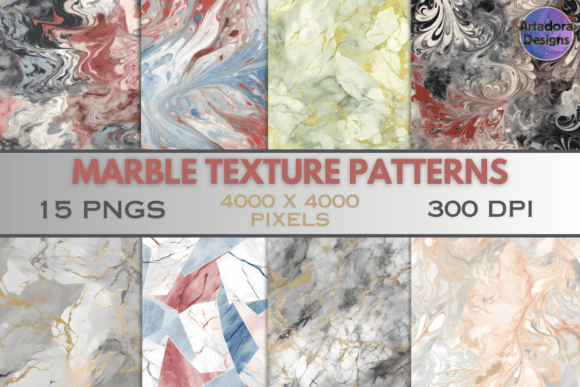
Marble Texture Patterns: A Comprehensive Guide to Soft Pastel Designs
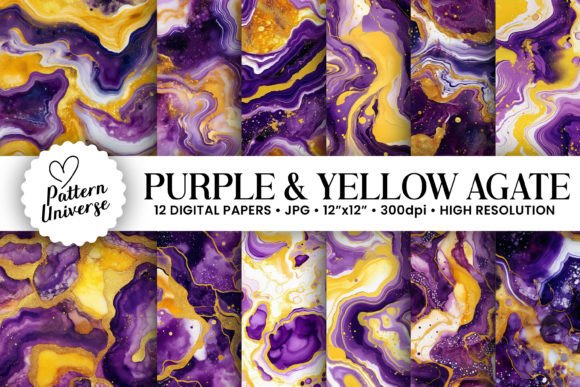
In the realm of digital design and creative production, Marble Texture Patterns have long served as a cornerstone for adding sophistication and organic flow to various projects. Among the diverse array of styles available, pastel and soft-colored marble textures offer a unique aesthetic that bridges the gap between modern minimalism and classic elegance. These designs are characterized by their gentle color palettes—often featuring hues of blush pink, mint green, lavender, and creamy whites—that create a calming visual experience without overwhelming the viewer.
The specific collection known as "15 Marble Texture Patterns" represents a curated set of high-resolution assets designed for versatility. This package typically includes 15 distinct PNG files, each measuring 4000×4000 pixels within a compressed ZIP folder totaling approximately 453 MB. The sheer volume and resolution of these files cater to professionals and hobbyists alike who require crisp imagery for both digital screens and large-scale physical prints. Unlike standard low-resolution backgrounds, these patterns retain their integrity when scaled, making them ideal for applications ranging from mobile wallpapers to large-format banners.
Distinguishing Features of Soft Pastel Marble Textures
What sets this specific category of marble texture apart is the deliberate choice of color temperature. Traditional marble textures often rely on high-contrast blacks, grays, or bold veining that mimics natural stone found in luxury architecture. In contrast, soft colored marble textured patterns utilize a muted palette that evokes feelings of tranquility and approachability. The veins in these patterns are typically softer and less aggressive, blending seamlessly into the background rather than dominating it.
This distinction is crucial for designers working on projects where the goal is to enhance content rather than distract from it. For instance, when creating stationary or greeting cards, a harsh black-and-white marble might feel too formal or somber for certain occasions. A pastel variant, however, can convey warmth and celebration while still maintaining a sense of premium quality. The 4000×4000 pixel resolution ensures that even subtle variations in the pastel gradients are captured with precision, allowing the texture to appear smooth and realistic rather than pixelated or artificial.
Evaluating Use Cases Across Different Industries
The utility of these high-resolution pattern files extends far beyond simple decoration. Their primary strength lies in their adaptability across multiple mediums. When considering the application of Marble Texture Patterns, one must evaluate the specific requirements of the target medium.
- Product Design and Print on Demand: For entrepreneurs utilizing Print on Demand (POD) services, these patterns serve as excellent base layers. The ability to visualize how a soft marble texture looks on mugs, notebooks, or stickers is vital. Many POD platforms feature a 'pattern' function that allows users to apply these textures directly to product mockups before ordering samples. This feature helps eliminate guesswork regarding color accuracy and scale.
- Stationery and Greeting Cards: The tactile nature of paper products benefits greatly from the illusion of depth provided by marble textures. Because the colors are soft, they pair well with gold foil accents or minimalist typography, creating a balanced composition that feels expensive yet accessible.
- Digital Interfaces: While often associated with print, these textures are equally effective in UI/UX design. A 4000-pixel wide image can be downscaled effortlessly for website headers or app backgrounds, providing a consistent brand identity that feels cohesive across devices.
The inclusion of 15 unique variations within a single 453 MB folder offers significant value. Instead of searching through dozens of disparate sources, a designer can access a library of complementary styles. This consistency ensures that if a project requires multiple pages or a series of related items, the aesthetic remains unified.
Comparing Approaches: Ready-Made Assets vs. Manual Creation
When acquiring Marble Texture Patterns, creators generally face a decision between using pre-made assets like the ones described here or generating their own manually. Each approach carries distinct tradeoffs regarding time, cost, and customization.
Using a ready-made set of 15 PNGs is an efficient solution for those prioritizing speed and reliability. The primary advantage is the assurance of high resolution. Creating a seamless, 4000×4000 pixel marble texture from scratch requires advanced skills in software like Adobe Photoshop or Illustrator. Even with professional tools, achieving a perfectly repeatable pattern that does not show visible seams can be a time-consuming process. Pre-made assets bypass this hurdle, offering immediate deployment.
However, manual creation offers superior control over the final output. If a project demands a specific shade of blue or a vein structure that deviates from the standard pastel palette, generating the texture from scratch allows for infinite customization. Tools such as GIMP, Canva, or specialized pattern checkers provide the functionality to tweak existing designs or build new ones layer by layer. Pattern checkers, in particular, are useful for testing how a design tiles, ensuring that the repetition is invisible to the naked eye.
For many users, a hybrid approach yields the best results. One might start with a high-quality base texture from a collection and then use photo editing software to adjust the hue, saturation, or overlay additional elements. This method combines the efficiency of purchased assets with the flexibility of custom modification.
Technical Considerations and Workflow Optimization
The technical specifications of the asset pack play a significant role in its usability. The file size of 453 MB indicates a substantial amount of data, which suggests that the images are uncompressed or lightly compressed to preserve maximum detail. For users with limited storage or slower internet connections, downloading and managing such a large folder may present logistical challenges. However, once downloaded, the 4000×4000 pixel dimensions ensure that the images are future-proof. As display resolutions continue to increase, having assets that exceed current standards prevents the need for frequent replacements.
Another critical factor is the format. PNG files are preferred for these textures because they support transparency and lossless compression. This means that when applying the marble pattern over other design elements, there is no degradation of image quality. Furthermore, the lack of a white background in some PNG versions allows for easier integration into complex layouts where the texture needs to blend with underlying colors.
Decision Factors: When to Choose Marble Patterns
Selecting Marble Texture Patterns is not always the default choice; it depends heavily on the desired emotional impact and the constraints of the project. These textures are particularly well-suited for brands aiming to project an image of gentleness, luxury, or femininity without being overly ornate. They work exceptionally well for wedding invitations, baby shower materials, and wellness-related branding.
Conversely, if a project requires a rugged, industrial, or highly contrasting look, traditional dark marble or alternative textures like concrete or wood grain might be more appropriate. The softness of pastel marbles can sometimes be perceived as too delicate for heavy-duty themes or contexts requiring strong visual authority.
Furthermore, the cost-benefit analysis should consider the intended lifespan of the design. If a pattern is needed for a short-term campaign, purchasing a small bundle of 15 high-quality textures is a cost-effective strategy compared to hiring a graphic designer to create custom assets. For long-term brand assets, investing in a comprehensive pack ensures a consistent visual language that can be expanded upon over time.
Maximizing Value Through Integration
To truly leverage the potential of these assets, users should explore how they interact with other design elements. The "sky's the limit" claim often associated with these patterns holds true when considering cross-platform usage. A single texture can be used as a background for a digital newsletter, printed on the cover of a hardcover notebook, or embossed onto a vinyl sticker.
Designers can further enhance these patterns by incorporating overlays. Adding a subtle noise filter can give the smooth digital texture a more tactile, paper-like feel. Alternatively, using blending modes in software like Photoshop can allow the marble pattern to interact dynamically with text or illustrations, creating depth and dimension that flat colors cannot achieve.
Ultimately, the decision to use a set of 15 soft-colored marble textures comes down to the specific needs of the creator. Whether one chooses to rely on the convenience of a pre-packaged ZIP folder or opts to craft unique variations using professional software, the result is a versatile toolset that elevates the visual quality of any project. By understanding the strengths of these high-resolution patterns and knowing when to apply them, designers can produce work that resonates with audiences seeking beauty, clarity, and a touch of elegance.